

Taliban Takeover of Afghanistan: The 1996 Seizure of Kabul
Understanding of Taliban Takeover of Afghanistan
On September 27, 1996, the capture of Kabul by the Taliban marked a pivotal moment in the Taliban takeover of Afghanistan, initiating a regime that dramatically altered the country’s geopolitical landscape. The power vacuum left by the Soviet withdrawal in 1989 led to a brutal civil war among mujahideen factions, setting the stage for this dramatic Taliban takeover of Afghanistan. Promising peace and Islamic governance, they appealed to a populace craving stability. This event had profound domestic and international implications.
Historical Context of the Taliban Takeover of Afghanistan
The trajectory through the latter half of the 20th century was significantly influenced by major global powers, most notably the US and the USSR. The Soviet Union’s invasion in 1979 escalated the country into the spotlight of the Cold War, turning it into a battleground where geopolitical strategies played out through military engagement and proxy warfare. This intervention devastated infrastructure and social fabric, leading to widespread displacement and loss of life.
The withdrawal of Soviet forces in 1989 left a power vacuum that was not filled by a strong local government but by various factions, each supported covertly by foreign interests including the United States. The US, aiming to counter Soviet influence, provided substantial aid to mujahideen fighters, which set the stage for future conflicts leading to the Taliban takeover of Afghanistan. This complex web of foreign interventions set the context for the rise of the Taliban, who promised stability and governance based on Sharia law, appealing to a war-torn populace eager for peace.
The Day of the Taliban Takeover of Afghanistan
After the withdrawal of Soviet forces in 1989, the country was engulfed in chaos, unable to stabilize under its faltering government or the conflicting mujahideen factions. It was during this tumultuous period that the Taliban, composed mainly of young Pashtun students from Pakistani madrassas and led by figures like Mullah Omar, started to gain traction.
Leveraging the national disarray, they promised peace and a governance rooted in traditional Islamic values, which resonated with the war-weary population. This promise and their strategic campaigns in the southern provinces allowed them to seize Kabul on September 27, 1996, with little resistance—the decisive moment of the Taliban takeover of Afghanistan. The international community reacted with concern, wary of the strict Sharia law implementation and the potential human rights implications.
Impact and Changes Following the Takeover
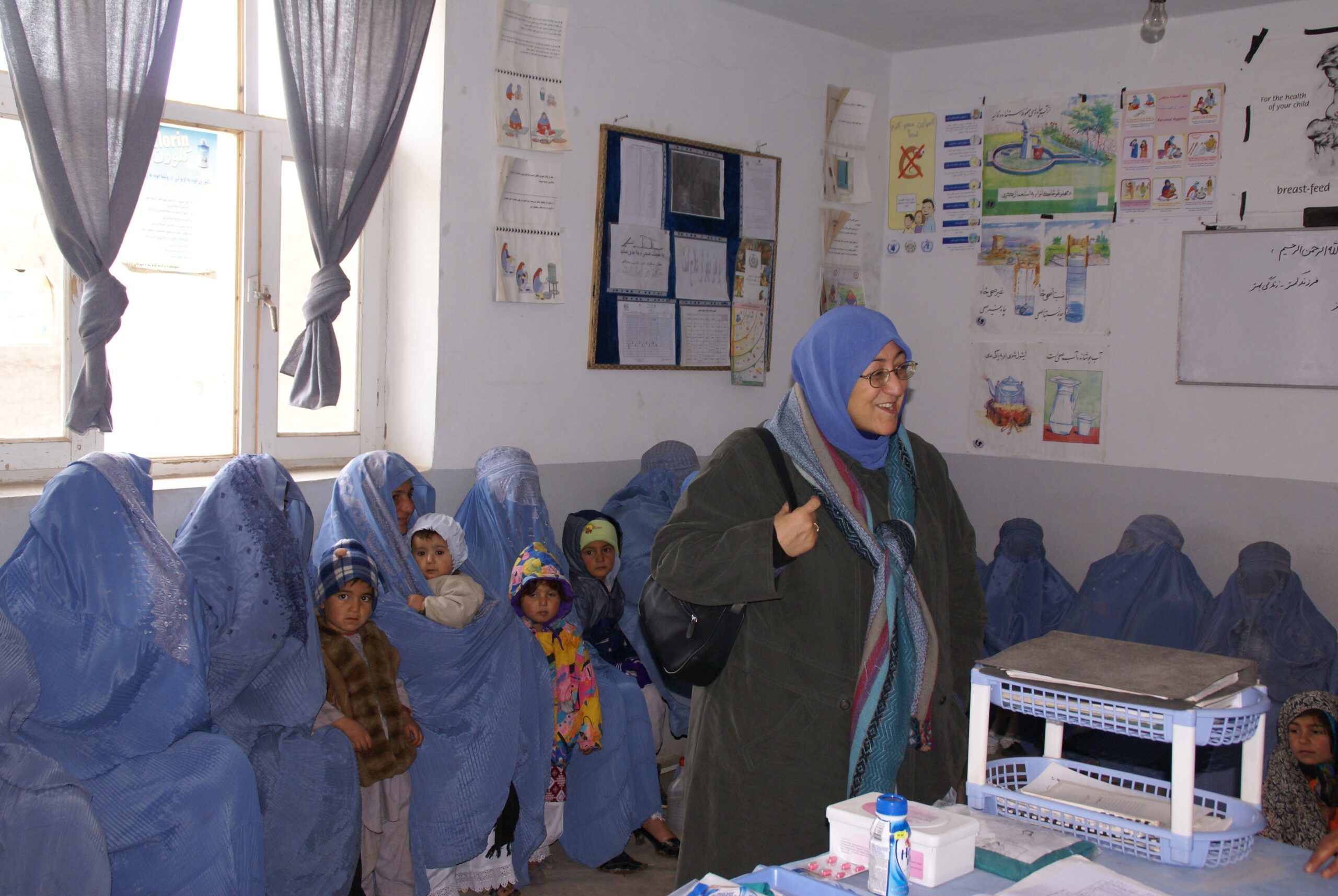
Immediately after the Taliban takeover of Afghanistan, sweeping changes were implemented to enforce their interpretation of Islamic law. This included banning television, music, and cinema, and imposing strict dress codes enforced by religious police. The most profound impacts were felt by women, who were barred from working or receiving education and were required to wear the burqa. Public executions and punishments became common for those accused of violating Taliban laws. These changes drastically altered daily life, severely restricting freedoms and rights, particularly for women and minorities.
Global Reactions to the Taliban Takeover of Afghanistan
As the Taliban implemented their stringent rule domestically following the takeover, their policies had immediate regional repercussions, particularly affecting neighboring countries like Pakistan and Iran. These nations faced increased refugee flows and heightened security concerns, setting off alarms throughout the region. This regional instability captured global attention, drawing diverse reactions from the international community.
The international community’s reaction to the Taliban takeover of Afghanistan in 1996 was notably diverse. While many nations were alarmed by the strict Sharia law implementation and potential human rights violations, entities like the United Nations and various Western countries strongly criticized these measures, advocating for the protection of women’s rights and ethnic minorities. Conversely, neighboring countries such as Pakistan and Iran had to navigate a delicate balance between their geopolitical interests and concerns over regional stability and refugee crises.
The support and fostering of groups like the Taliban by Western powers were initially aimed at achieving strategic advantages, specifically to counter the Soviet-supported government in Kabul. This tactical move during the Cold War was designed to diminish Soviet influence. However, these short-term objectives have led to long-term global repercussions, demonstrating that the impacts of such foreign policies can eventually pose significant challenges to their initiators.
Long-Term Effects of the Taliban Takeover of Afghanistan
The long-term effects of the 1996 Taliban takeover of Afghanistan, especially after their 2021 resurgence, are significantly troubling. Following the U.S. withdrawal, the Taliban not only reclaimed power but did so with access to sophisticated weaponry and technology left by departing forces. This arsenal has potentially increased the regional threat level, contributing to a spike in terrorism across neighboring countries like Pakistan and India.
Moreover, the governance under the Taliban post-2021 is perceived as more severe compared to their rule after the initial Taliban takeover of Afghanistan before the 2001 U.S. invasion, exacerbating issues related to international diplomatic recognition and deepening humanitarian crises. This situation underscores the intricate relationship between regional conflicts and global terrorism, influenced heavily by the enduring legacy of figures like Osama bin Laden.
Summarizing the Taliban Takeover of Afghanistan in 1996
Reflecting on the tumultuous history following the Taliban takeover of Afghanistan offers critical lessons about the complexities of governance, the impact of extremist ideologies, and the consequences of international interventions. The governance under Taliban post-2021, exacerbated by sophisticated weaponry left by departing U.S. forces, poses increased threats not only within the country but also across the region, particularly impacting Pakistan and India.
As the world watches the future unfold under the Taliban’s stricter rule following their return to power, understanding the dynamics that began with the 1996 Taliban takeover of Afghanistan is crucial for global security and supporting the Afghan populace amid ongoing humanitarian crises.
Feature Image: Click here to view the image.
Image Credit: Flickr.com
Glossary of Terms
- Taliban: An Islamist militant group originating from Pashtun religious seminaries in Pakistan, enforcing strict interpretations of Sharia law in Afghanistan.
- Mujahideen: Afghan guerrilla fighters who resisted Soviet forces (1979–1989), later fracturing into competing factions.
- Pashtun: The largest ethnic group in Afghanistan, significant in the formation and support base of the Taliban.
- Madrassa: Islamic religious school where many early Taliban members were educated.
- Sharia Law: A strict legal code derived from Islamic principles, heavily enforced by the Taliban.
- Mullah Omar: The reclusive founder and supreme leader of the Taliban during its 1996 rise.
- Cold War Proxy Warfare: Indirect conflict where global powers (US–USSR) supported local factions to gain strategic influence.
- Public Executions: Punitive measures under Taliban rule used to enforce adherence to their interpretation of Sharia law.
- Power Vacuum: A leadership void created after the Soviet withdrawal that facilitated the Taliban’s rise.
- Regional Instability: Geopolitical volatility affecting neighboring countries like Pakistan and Iran following the Taliban takeover.
#Taliban #Afghanistan #Geopolitics #WarHistory #HinduinfoPedia
References and Further Reading
- “The Return of the Taliban” by Ahmed Rashid, providing a detailed analysis of the geopolitical implications.
- “Afghanistan: A Cultural and Political History” by Thomas Barfield, which offers comprehensive insights into the nation’s complex past.
- Visit Global Terrorism and Its Impact for more on how international terrorism shapes global politics.
Follow us:
- English YouTube: https://www.youtube.com/@Hinduofficialstation
- Hindi YouTube: https://www.youtube.com/@HinduinfopediaIn
- X: https://x.com/HinduInfopedia
- Instagram: https://www.instagram.com/hinduinfopedia/
- Facebook: https://www.facebook.com/Hinduinfopediaofficial
- Threads: https://www.threads.com/@hinduinfopedia