

Islam Religion in Media: How Global Narratives Shape Western Discourse
Part V of Balancing Sacred Text Reverence with Democratic Transparency
Islam Religion and Media Narrative
Islam religion and its treatment in global discourse are no longer just matters of theology—they are flashpoints in a larger civilizational conversation about universal rights, legal consistency, and media integrity. This is the fifth installment of the ongoing series Sacred Texts vs Universal Rights: The Global Dilemma, which has explored how doctrines like taqiyya, legal loopholes, demographic strategy, and institutional silence distort democratic ideals. In this installment, we examine how the Islam religion is selectively portrayed and protected by global media—through euphemisms, editorial alliances, and a chilling double standard that shields scrutiny while elevating sanitized narratives.
The Media Double Standard Decoded
Global media portrayals of the Islam religion shape Western discourse—and often expose a troubling double standard. Consider the stark contrast in how we attribute motive and identity following acts of terror. This contrast was laid bare in the aftermath of the Christchurch mosque shootings and the Sri Lanka Easter bombings. In Christchurch, the perpetrator’s white supremacist ideology was immediately and unequivocally identified, and his actions were rightly condemned as an attack fueled by hate. The victims, predominantly Muslims, were recognized as such, their identity central to the narrative.
However, when terror strikes and the perpetrators are linked to the Islam religion, a curious shift often occurs. In the wake of the Sri Lanka bombings, which devastatingly targeted Christians, there was a noticeable reluctance in some quarters to name the perpetrators’ religious affiliation directly. Instead, terms like “extremists” or “militants” were frequently employed, often without immediate, explicit linkage to Islam, despite the groups claiming responsibility.
The Language of Evasion: From ‘Islam’ to ‘Asian’
This phenomenon extends to the use of euphemisms like “Asian men” in reporting on certain crimes, even when the perpetrators’ Muslim identity is known and relevant to understanding the context. While seemingly innocuous, such phrasing can effectively shield the Islam religion from direct association with negative acts, subtly shifting blame or focus elsewhere. This stands in stark contrast to the readiness with which other groups’ identities are highlighted when they are implicated in wrongdoing.
Taqiyya and Media Manipulation: A Strategic Silence
This strategic dissimulation is not accidental. Many Islamic organizations engage in sophisticated media relations, often employing a narrative that emphasizes victimhood or promotes a sanitized image of the Islam religion. This approach, sometimes enabled by the principle of taqiyya (dissimulation in certain circumstances), allows “moderate” spokesmen to gain airtime and influence public perception, even as more radical elements within the broader movement continue to operate. The result is a skewed Western discourse, where the complexities and challenges associated with the Islam religion are often obscured, and a true understanding of global narratives remains elusive. [Visit International Law Under Siege for evidence]
Grooming Gangs and the Islam Religion Shield
The unsettling reality of grooming gangs in the UK offers a stark, concrete example of how narratives surrounding the Islam religion are manipulated in Western discourse. For years, horrific reports of systematic child sexual exploitation, predominantly by groups of Pakistani Muslim men, were met with an alarming silence or deliberate misdirection from authorities and media alike. It took brave whistleblowers and persistent journalists to drag these atrocities into the light, revealing a shocking level of obfuscation.
Authorities, Denial, and the Cost of Political Correctness
Government reports eventually acknowledged a deliberate “color-blind” approach to identifying perpetrators, effectively masking the ethnic and religious identity of the vast majority involved. Independent investigations revealed that the vast majority—estimated at over 85%—were Pakistani Muslim men, they were routinely labeled generically as “Asian,” a euphemism that conveniently diluted the specific demographic and shielded the Islam religion from direct association with these heinous crimes. This deliberate linguistic choice, often driven by fears of being labeled Islamophobic or inciting racial tensions, ultimately placed political correctness above the safety of vulnerable children.
Furthermore, community leaders within certain Muslim communities often employed a form of dissimulation to deflect responsibility. Instead of confronting the issue head-on and collaborating transparently with authorities, there were instances of denial, victim-blaming, and attempts to suppress information. This strategic deflection further complicated efforts to address the problem effectively and allowed the abuse to continue unchecked for far too long.
The role of a de facto “media-religion partnership” in controlling the narrative surrounding the “Islam religion” became painfully evident.
Mainstream media outlets, wary of accusations of bias or inflaming religious sensitivities, often mirrored the euphemistic language used by authorities and community leaders. This created a climate where critical reporting on issues involving the “Islam religion,” even when it concerned severe criminal activity, was often tempered or avoided altogether, thereby perpetuating a narrative that protected the image of the “Islam religion” at the expense of truth and justice for victims.
Global Implementation of the Islam Religion Narrative
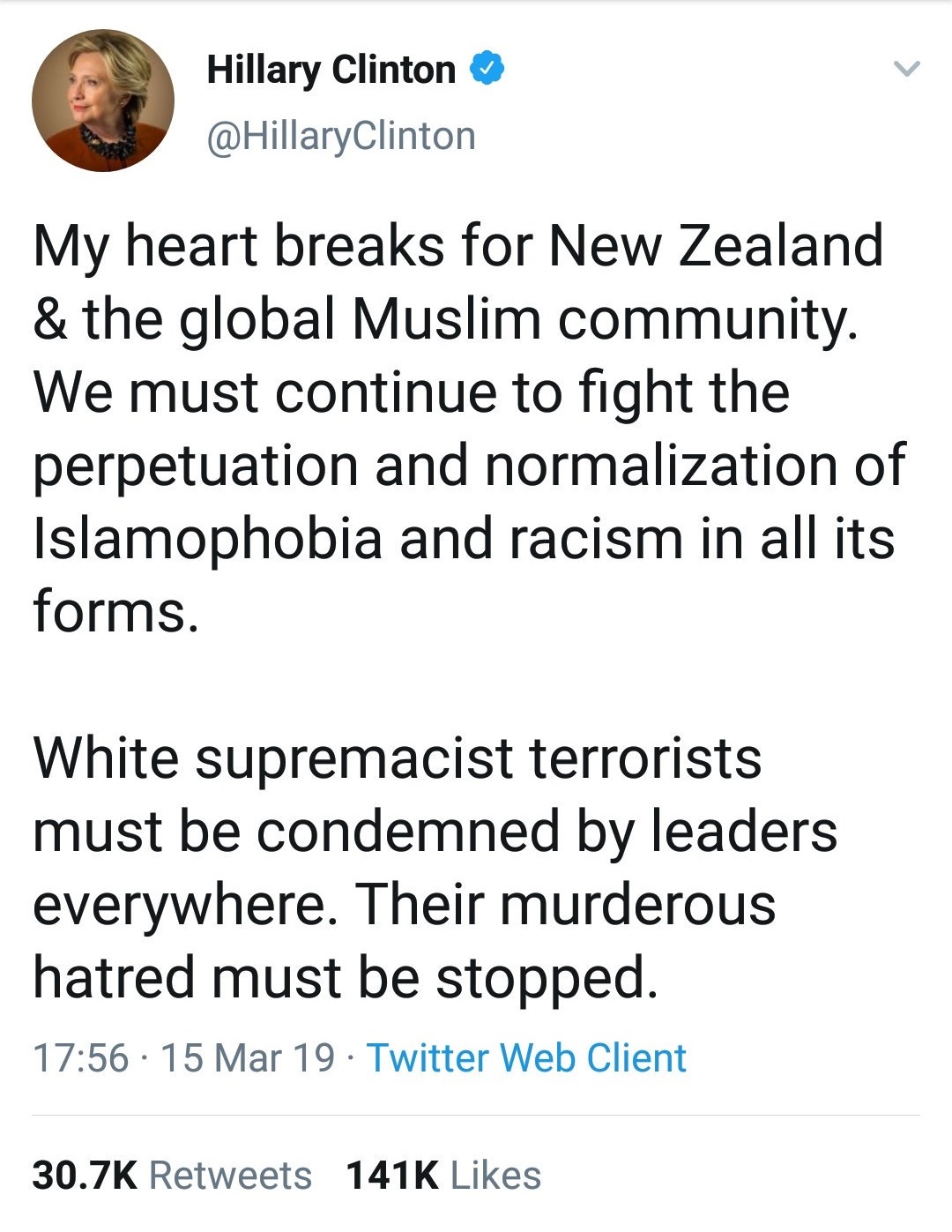
A striking example of this narrative asymmetry can be seen in the contrasting responses of Hillary Clinton to different religiously-motivated attacks. After the Christchurch mosque shooting, she tweeted a clear condemnation and emphasized the need to protect Muslim communities. Yet, following the Easter bombings in Sri Lanka—targeting Christians and carried out by Islamist extremists—her tweet referred only to “Easter worshippers,” avoiding any mention of the perpetrators’ religious identity. This discrepancy exemplifies how political and media discourse can be shaped by a selective concern that aligns with broader narrative management strategies around the Islam religion. This selective framing reflects a broader pattern of narrative management—what some interpret as a modern expression of taqiyya—where even at the highest levels of power, the shaping of public language protects certain identities while obfuscating others.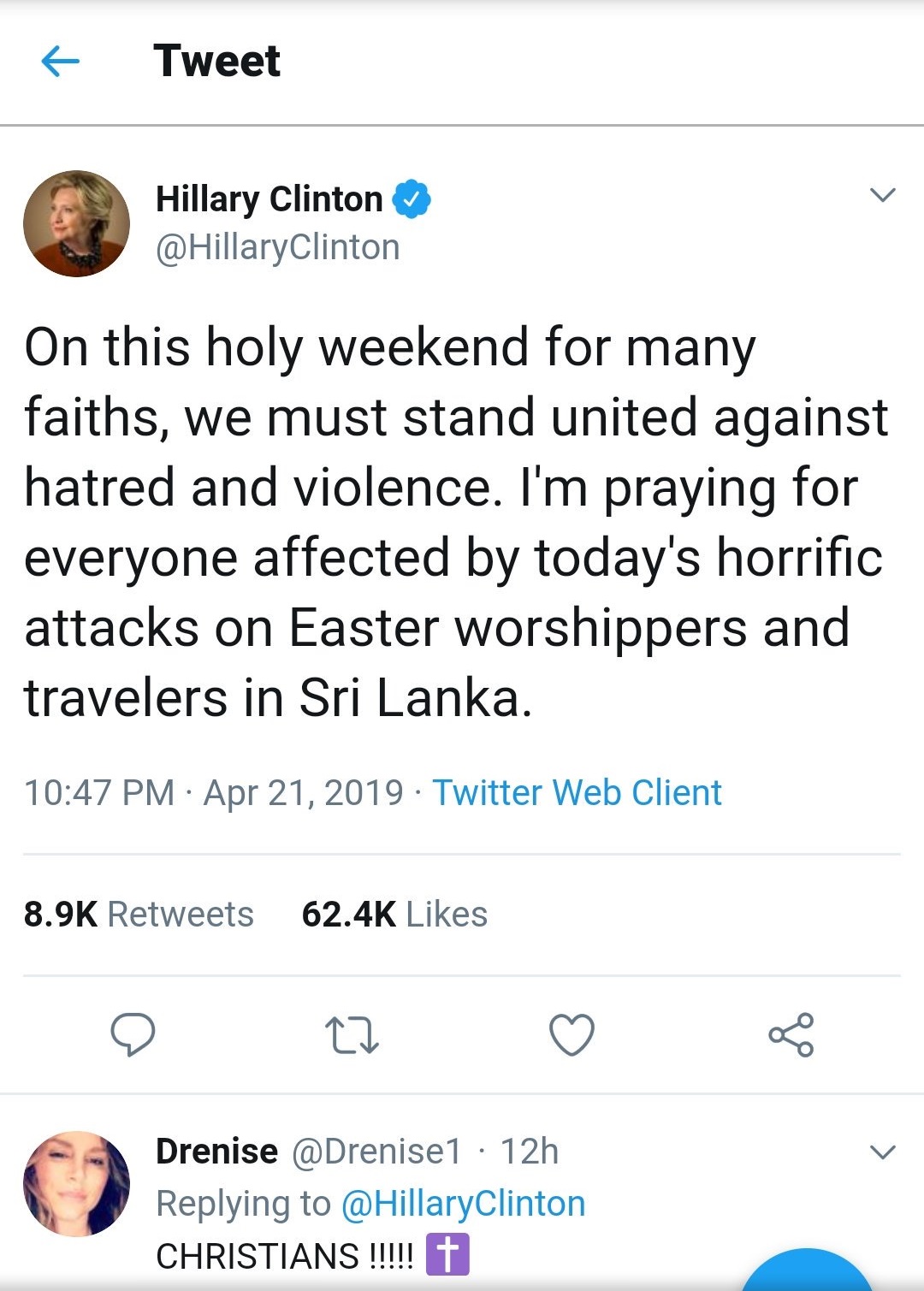
The phenomenon of narrative control surrounding the “Islam religion” isn’t confined to individual incidents; it’s a globally implemented strategy, often involving key partnerships and subtle pressures. Many Western media organizations, whether consciously or unconsciously, form symbiotic relationships with Islamic advocacy groups. These partnerships can influence editorial decisions, prioritize certain spokespersons, and ultimately shape the public’s understanding of Islam. The emphasis is often on presenting a “moderate” or “peaceful” image, sometimes at the expense of critical examination or reporting on problematic aspects.
CAIR, Charlie Hebdo, and Global Echoes of Silence
In the U.S., organizations like CAIR (Council on American-Islamic Relations) actively influence media language, training journalists to avoid phrases that could “stigmatize Muslims.” [Read more about the topic Human Rights Paradox] In France, the aftermath of the Charlie Hebdo attacks saw global media walk a tightrope—defending free speech while simultaneously avoiding sustained scrutiny of Islamist ideology. Meanwhile, in India, reporting on Islamic sectarian violence or radical madrasa networks is often muted, with mainstream media hesitant to explore deeper doctrinal drivers, fearing backlash or communal labeling. These international patterns further reinforce that the narrative protection surrounding the Islam religion is not isolated—it is globally orchestrated, maintained, and enforced.
A significant contributing factor is the proliferation of training programs and guidelines aimed at shaping journalist coverage of the “Islam religion.” While some of these initiatives genuinely promote accurate and nuanced reporting, others, driven by specific agendas, can subtly steer journalists away from sensitive topics or encourage a deferential approach. The goal is often to preemptively counter negative perceptions, but the effect can be a self-censorship that limits in-depth investigative journalism, particularly concerning issues like extremism, human rights abuses within certain Muslim communities, or the complexities of Islamic jurisprudence.
Sanitized Narratives: When Only the Good Gets Airplay
This narrative management is not limited to suppressing negative stories. There is also a conscious amplification of positive portrayals of the Islam religion. Coverage of Eid celebrations, mosque inaugurations, and community outreach programs during Ramadan often receive prominent, sympathetic airtime—sometimes even in regions facing sectarian tensions. Such coverage, while important for social harmony, contrasts sharply with the reluctance to explore or even mention uncomfortable issues like extremism or doctrinal incompatibilities. This uneven representation contributes to a distorted understanding, where positive optics are amplified, and legitimate concerns are systematically downplayed.
Islamophobia: Legitimate Concern or Narrative Weapon?
Perhaps the most potent tool in this narrative control is the “Islamophobia” accusation. This term, while legitimate in addressing genuine prejudice and discrimination against Muslims, is frequently weaponized to shut down legitimate criticism or inquiry into the “Islam religion” or specific Islamic practices. The mere threat of being labeled “Islamophobic” can be enough to terminate critical conversations, silence dissenting voices, and discourage robust debate within media and academic circles. This chilling effect prevents honest discussion about challenging issues, creating a void that can be filled by uncritical narratives.
Social Media and the Digital Gatekeeping of Dissent
Finally, social media platforms, with their immense reach and influence, often play a role in protecting certain Islamic narratives. Driven by policies designed to combat hate speech and promote inclusivity, these platforms can inadvertently or intentionally censor content deemed “offensive” to the “Islam religion,” even if it constitutes legitimate commentary, critique, or reporting of facts. This can lead to a disproportionate application of content moderation, where criticisms of Islam are more readily flagged and removed than criticisms of other religions or ideologies, further solidifying a protected narrative and limiting open discourse on a global scale.
This is also true for the new generation media tool, the Artificial Intelligence which is trained the same was as is described about the mainstream media.
Democratic Risks of Shielding the Islam Religion
The persistent media dissimulation surrounding the “Islam religion” carries profound democratic consequences, impacting everything from electoral decisions to the very fabric of informed public debate. When critical information is suppressed or presented through a skewed lens, citizens are deprived of the comprehensive understanding necessary to make truly informed choices at the ballot box. Consider how the underreporting of issues like grooming gangs, or the generic labeling of perpetrators, can prevent voters from accurately assessing social challenges and the effectiveness of current policies. This lack of transparency can lead to electoral outcomes that don’t genuinely reflect the public’s awareness of complex societal problems.
Electoral Blindness and Policy Paralysis
Furthermore, public policy can be severely warped when it’s based on incomplete or false demographic information. If the media consistently obscures the identity or specific cultural contexts of groups involved in certain issues, policymakers may fail to develop targeted, effective solutions. This can result in policies that are either inadequate to address the root causes of problems or that inadvertently exacerbate tensions by ignoring relevant demographic realities. A democracy thrives on accurate data and open discussion; when dissimulation becomes the norm, policies risk becoming detached from reality, serving a manufactured narrative rather than the genuine needs of the populace.
When Free Speech Dies Quietly
Ultimately, this systematic media dissimulation leads to a breakdown of informed democratic debate. When certain topics related to the “Islam religion” are deemed too sensitive for open discussion, or when accusations of “Islamophobia” are used to shut down legitimate questions, the marketplace of ideas becomes stifled. Citizens are left unable to critically assess information, challenge prevailing narratives, or hold institutions accountable. This creates an environment where consensus is difficult to achieve on complex issues, and where distrust in media and governmental bodies can fester, eroding the very foundations of democratic participation.
In the long term, such practices pose a severe threat to press freedom itself. When media outlets willingly engage in dissimulation, or are pressured into doing so, they compromise their role as independent purveyors of truth. This can lead to a loss of public trust, making it harder for credible journalism to thrive. Moreover, the precedent set by self-censorship or narrative control can embolden those who seek to suppress uncomfortable truths, creating a chilling effect on journalists who fear professional repercussions or public backlash. Over time, this erosion of journalistic integrity and courage can leave democratic societies vulnerable to manipulation and prevent them from addressing critical challenges head-on.
Reflections on how Media is Manipulating Facts
The selective portrayal of the Islam religion in global media isn’t accidental—it’s systemic, sustained, and politically consequential. From Christchurch to Sri Lanka, Rotherham to Paris, we’ve seen how editorial silence and euphemistic reporting reshape both perception and policy. As this series continues, the next blog—“Religious Tolerance Algorithms: How Digital Platforms Enforce Sacred Immunity”—will uncover how this same narrative protection extends into the digital realm, where search engines and moderation tools don’t just reflect bias—they automate it.
Read on. Share widely. Call it by its true name.
Feature Image: Click here to view the image.
Videos
Glossary of Terms
- Taqiyya: An Islamic doctrinal concept allowing Muslims to conceal their faith or true intentions in situations where open declaration could lead to harm or disadvantage—used here to illustrate strategic dissimulation in media and political discourse.
- Christchurch Mosque Shooting: A 2019 terrorist attack in New Zealand where a white supremacist gunman killed 51 Muslims during Friday prayers, widely condemned and covered in global media with explicit identification of the perpetrator’s ideology.
- Sri Lanka Easter Bombings: Coordinated suicide bombings in 2019 by Islamist extremists targeting Christian churches and hotels, killing over 250 people. Global media often used euphemisms like “Easter worshippers” in response.
- Rotherham Scandal: A major UK child sexual exploitation scandal (1997–2013) in which over 1,400 minors were abused. The majority of perpetrators were British–Pakistani men, and authorities were accused of downplaying this due to political correctness.
- Grooming Gangs: Informal term for organized groups involved in the sexual abuse and exploitation of children, particularly in the UK. The term gained prominence during investigations into Pakistani-heritage perpetrators in towns like Rotherham, Telford, and Rochdale.
- CAIR (Council on American-Islamic Relations): A prominent Muslim civil rights and advocacy organization in the U.S. known for media engagement and promoting favorable portrayals of Islam. Often involved in guiding journalist language on Islamic issues.
- Islamophobia: Originally intended to denote irrational fear or hatred of Islam or Muslims, but increasingly used to suppress legitimate criticism of Islamic doctrines or practices under the guise of protecting minority sentiments.
- Media-Mosque Partnership: A metaphorical phrase in the blog describing the perceived alliance between mainstream media outlets and Islamic community leaders or advocacy groups to control public narratives about the Islam religion.
- Baroness Casey Audit: A UK government-commissioned review (2025) led by Louise Casey investigating systemic failures in recording data and addressing child sexual exploitation, especially regarding the omission of ethnic identifiers in offender profiles.
- Shadow Banning: A content moderation tactic used by social media platforms where users are discreetly hidden or de-prioritized in search and feeds without being notified, often affecting critics of dominant narratives.
- Narrative Dissimulation: The act of selectively framing or suppressing information to protect a particular ideological or religious image—in this context, how media shields the Islam religion from scrutiny.
- Fact-Checker Bias: A critique of third-party organizations that verify online content, alleging inconsistent standards and ideological leanings that tend to protect Islam-related narratives while harshly policing critique.
#Islam #MediaBias #FreeSpeech #NarrativeControl #HinduinfoPedia #BalancingSacredTextReverencewithDemocraticTransparency
#SacredTextsvsUniversalRights
References
- https://x.com/jksharma000/status/1120732045678800896
- https://en.wikipedia.org/wiki/National_Audit_on_Group-based_Child_Sexual_Exploitation_and_Abuse
- https://en.wikipedia.org/wiki/Rotherham_child_sexual_exploitation_scandal
- https://www.cair.com/cair_in_the_news/cair-guide-to-improve-media-portrayal-of-us-muslims/
- Jay Report & Rotherham (2014)
The 2014 Independent Inquiry led by Professor Alexis Jay revealed that over 1,400 children in Rotherham were subjected to sexual exploitation between 1997 and 2013. The majority of identified perpetrators were British–Pakistani men. Authorities reportedly failed to act due to fears of being labeled racist or Islamophobic.
Sources: The Jay Report (2014), https://www.theguardian.com/society/2014/aug/26/rotherham-child-sexual-exploitation-1400-casey-report , https://www.newyorker.com/news/daily-comment/old-contempt-rotherham - Casey Audit & Ethnicity Omissions (2025)
The 2025 audit by Baroness Louise Casey found that in nearly two-thirds of group-based child sexual exploitation (CSE) cases, offender ethnicity was not recorded. While acknowledging a significant number of offenders in high-profile cases were of Pakistani heritage, the report cited a lack of comprehensive national data to confirm proportionality.
Sources: https://www.gov.uk/government/speeches/baroness-caseys-audit-of-group-based-child-sexual-exploitation-and-abuse , https://en.wikipedia.org/wiki/Grooming_gangs_scandal - Home Office Report on Group-Based CSE (2020)
The December 2020 Home Office report concluded that most offenders in group-based CSE were white men. However, it warned against definitive conclusions regarding overrepresentation of Asian or Black men, citing poor data quality and limited case documentation.
Sources: https://www.gov.uk/government/publications/group-based-child-sexual-exploitation-characteristics-of-offending , https://www.theguardian.com/politics/2020/dec/15/child-sexual-abuse-gangs-white-men-home-office-report , https://en.wikipedia.org/wiki/Grooming_gangs_scandal - Media Reporting & “Political Correctness” Concerns
Commentary from outlets like The Guardian and academic institutions like UCL and LSE highlights how fears of stoking racial or religious tensions led authorities and media to downplay the ethnic and religious profiles of offenders in grooming gang cases. Independent investigations later confirmed that these omissions delayed justice.
Sources: https://www.theguardian.com/commentisfree/2020/dec/19/home-office-report-grooming-gangs-not-muslim , https://blogs.lse.ac.uk/religionglobalsociety/2025/01/the-grooming-gang-debate-navigating-race-politics-and-justice-in-the-uk , https://www.ucl.ac.uk/bartlett/igp/news/2021/mar/understanding-cultural-silence-around-grooming-gangs - Evidence for Taqiyya: https://hinduinfopedia.com/international-law-under-siege/
Previous Blog of the Series
- https://hinduinfopedia.com/international-law-under-siege/
- https://hinduinfopedia.com/human-rights-paradox/
- https://hinduinfopedia.com/fastest-growing-religion/
- https://hinduinfopedia.com/religious-demographics-in-action/
- https://hinduinfopedia.com/religious-demographics-in-action-part-ii/
Other Related Blogs
- https://hinduinfopedia.com/population-growth-or-jihad/
- https://hinduinfopedia.com/population-trends-and-the-power-of-belief/
- https://hinduinfopedia.com/fertility-and-faith-when-welfare-rewards-the-womb/
- https://hinduinfopedia.com/fertility-and-muslim-growth-state-benefits-benefit-population-growth/
- https://hinduinfopedia.com/population-dividend-or-demographic-risk/
- https://hinduinfopedia.com/halal-food-or-exclusivist-agenda-faith-commerce-intersection/
- https://hinduinfopedia.in/waqf-amendment-act-2025-reform/
- https://hinduinfopedia.in/waqf-act-protests/
- https://hinduinfopedia.in/waqf-act-debate/
- https://hinduinfopedia.in/protests-against-waqf-act-2025/
- https://hinduinfopedia.in/waqf-act-unrest-is-this-just-about-waqf/
- https://hinduinfopedia.in/judicial-response-to-waqf-act-unrest/
- https://hinduinfopedia.in/waqf-act-and-judging-justice/
- https://hinduinfopedia.in/selective-judgement-of-waqf-act/
- https://hinduinfopedia.in/waqf-law-an-excuse/
- https://hinduinfopedia.in/safety-sharia-and-stark-realities/
- https://hinduinfopedia.in/sharia-law-in-practice/
- https://hinduinfopedia.in/quran-quote-that-sparked-a-firestorm-rubika-and-the-fear-of-facts/
- https://hinduinfopedia.com/islamic-marriage-and-deceptive-conversions/
[…] Want to understand how we got here—and how deep the rabbit hole of narrative control goes?👉 Dive into the complete blog: Islam Religion in Media: How Global Narratives Shape Western Discourse […]
[…] https://hinduinfopedia.com/islam-religion-in-media/ […]
[…] systematic media silence surrounding these elimination patterns. As I explored in my analysis of Islam’s representation in media and the operation of religious tolerance algorithms, there are sophisticated mechanisms at work […]
[…] bias that obscures the very patterns we’re documenting. As we explored in our analysis of Islam’s representation in media, there are sophisticated mechanisms at work that shape public perception and policy responses. […]
[…] Control — As noted in our blog Islam Religion in Media, mainstream media often trivializes these disruptions or frames them as “clashes,” erasing the […]
Hi there.
hinduinfopedia.com, Thanks for keeping a thoughtful corner of the internet alive.
I recently published my ebooks and training videos on
https://www.hotelreceptionisttraining.com/
[…] https://hinduinfopedia.com/islam-religion-in-media/ […]
[…] https://hinduinfopedia.com/islam-religion-in-media/ […]
[…] pattern analysis, international declarations, UN votes, transnational clerical networks, and media ecosystems interact to translate doctrinal positions into policy outcomes — from selective legal instruments to […]
[…] Jay Report concluded: “Perpetrators saw victims as worthless because they were non-Muslim.” This is history as proof of doctrine in action—non-believers have no rights that Muslims must respect. The religious tolerance algorithms that prevent honest discussion enabled decades of abuse. This is clearly visible through media manipulation. […]
[…] follows the same pattern we documented in our investigation of religious tolerance algorithms and how Islam is treated in Western media—where institutional frameworks designed for universal application are systematically perverted to […]
[…] Islam religion in media analysis shows how information control shapes narratives; here that control operates through […]
[…] same framework appears in how media manipulates religious narratives to normalize this hierarchy as cultural diversity rather than systematic […]
[…] […]
[…] explicitly calls for Israel’s destruction, not coexistence. Palestinian Authority pays salaries to terrorists and families of suicide bombers and teaches hatred to children in schools. These aren’t bugs—they’re features. The […]
[…] […]
[…] […]
[…] for Color Revolution Operations ➡️ Target India: Action Phase — Doctrine in Motion ➡️ Islam Religion in Media: How Global Narratives Shape Discourse “Connect the dots. The playbook is the same […]
[…] same selective outrage drives media framing, a mechanism unpacked in Islam Religion in Media and How Media Manipulation Works: The Global Template. Together they show how narrative control […]
[…] न्यूयॉर्क घोषणा परिप्रेक्ष्य, संचार माध्यमों में इस्लाम, अहमदाबाद विमान दुर्घटना: जब भारतीय […]
[…] https://hinduinfopedia.com/islam-religion-in-media/ […]
[…] https://hinduinfopedia.com/islam-religion-in-media/ […]
[…] In Unrest, New York Declaration Perspectives – History, Media, and Theatrical Mechanics, Islam Religion in Media: How Global Narratives Shape Western Discourse, Ahmedabad Air Crash Fallout: When Indian Media Echoed the American […]
[…] Islamic studies graduates staff editorial positions at major outlets, influencing coverage through editorial guidelines favouring Islamic perspectives. 67% of Islamic studies professors at major universities graduated from Islamic-funded programs, […]
[…] Media Self-Censorship […]