

Iranian Revolution: How 1979 Reshaped Global Oil Politics, Western Power, and India’s Energy Future
The Iranian Revolution’s Enduring Global Impact
The Iranian Revolution of 1979 stands as one of the twentieth century’s most consequential geopolitical earthquakes. On February 11, 1979, the Iranian Revolution culminated in the overthrow of Shah Mohammad Reza Pahlavi’s monarchy, bringing Ayatollah Ruhollah Khomeini to power and ending 2,500 years of Persian dynastic rule. This wasn’t merely a local political transformation—the Iranian Revolution sent shockwaves through international oil markets, redefined superpower relations, and fundamentally altered the strategic calculus for nations worldwide, including India. Yet beneath the surface of this revolutionary upheaval lies a darker narrative of Western intervention, resource exploitation, and strategic betrayal, driven primarily by American and British designs on Iran’s vast petroleum reserves. To understand the Iranian Revolution’s lasting significance, we must examine how it emerged from decades of foreign meddling, what it revealed about global power dynamics, and why its reverberations continue shaping our world today.
Western Oil Greed: The Iranian Revolution’s Deep Roots
While the Iranian Revolution dramatically transformed Persian governance in 1979, its origins trace back decades to Western machinations centered on Iran’s extraordinary oil wealth.
The seeds of the Iranian Revolution were planted long before 1979, germinating in the fertile ground of Western resource hunger. Iran’s vast petroleum deposits became an irresistible prize for Anglo-American powers in the twentieth century. The 1953 CIA-MI6 orchestrated coup against Iran’s democratically elected Prime Minister Mohammad Mossadegh—executed after he nationalized the Anglo-Iranian Oil Company (which later became BP)—proved pivotal to understanding the Iranian Revolution’s deeper causes. This operation, known as Operation Ajax, reinstalled the Shah as a compliant autocrat, ensuring Iranian oil continued flowing westward at favorable terms. For the subsequent quarter-century, the United States and Britain sustained his regime through military aid, diplomatic cover, and willful blindness toward its mounting abuses—extravagant royal spending, systematic torture by the SAVAK secret police, and a yawning chasm between Iran’s wealthy elite and impoverished masses.
This arrangement transcended mere commercial contracts; it constituted systematic resource extraction. American and British petroleum corporations, operating in collusion with the Shah’s government, siphoned Iran’s natural wealth while ordinary Iranians received minimal benefit. The Shah’s ambitious “White Revolution”—his modernization campaign—displaced rural populations, enriched political cronies, and alienated the influential clerical class, all under the approving surveillance of his Western sponsors. By the late 1970s, inflation spiraled, public protests intensified, and the Shah’s dependence on American-supplied weaponry to suppress dissent only intensified popular rage. The Iranian Revolution thus represented not merely a rejection of monarchical rule—it expressed a fundamental revolt against the foreign powers manipulating Iran’s destiny.
Amir Abbas Hoveyda: The Iranian Revolution’s Sacrificial Technocrat
As the Western-supported Shah’s regime indulged in oil-fueled excess, certain government officials began sensing the approaching storm, none more acutely than Prime Minister Amir Abbas Hoveyda.
Among the Iranian Revolution’s most tragic casualties was Amir Abbas Hoveyda, Iran’s longest-serving Prime Minister (1965-1977). Hoveyda embodied complexity—a Western-educated intellectual attempting to reconcile modernization with autocratic governance. While corruption flourished during his tenure and he implemented regime policies, Hoveyda was widely perceived as relatively competent and fair compared to the Shah’s more predatory inner circle, a technocrat ensnared in a fundamentally corrupt system.
Why did Hoveyda ultimately fall victim to the Iranian Revolution? Critics argue that American and British abandonment—though indirect—sealed his fate. As revolutionary fervor mounted in 1978, the Shah desperately needed a scapegoat. Hoveyda, already removed from the premiership, was arrested and vilified as the embodiment of regime failures, despite his earlier warnings to the Shah about mounting unrest. His Western allies, who had lauded his administrative stability for years, maintained conspicuous silence as he faced a revolutionary tribunal. On April 7, 1979, Hoveyda was executed following a perfunctory trial—symbolizing both regime collapse and how the United States and Britain discarded even loyal collaborators once they ceased being useful. His death underscored a harsh truth about the Iranian Revolution’s context: in the ruthless calculus of oil and power, even the relatively just become expendable.
The Iranian Revolution’s Oil Shock: Global Economic Upheaval
Hoveyda’s execution marked not only symbolic rejection of Western interference but also coincided with dramatic disruption of Iran’s petroleum production, triggering worldwide economic tremors.
When Khomeini’s forces consolidated control following the February 11, 1979 triumph of the Iranian Revolution, Iran’s oil production didn’t merely decline—it virtually ceased. Revolutionary chaos halted operations as workers struck and infrastructure crumbled. Iran, then ranking as the world’s second-largest oil exporter, saw daily output crash from 6 million barrels to under 1 million. The resulting 1979 Oil Shock doubled global petroleum prices within months. For the United States and Britain, who had relied on the Shah to maintain steady supplies, the Iranian Revolution represented catastrophic geopolitical failure. Their decades of exploitation had backfired spectacularly, birthing a hostile Islamic Republic deeply antagonistic toward Western interests.
India experienced significant ripple effects from the Iranian Revolution. As a non-aligned nation, India had maintained stable relations with the Shah’s Iran, importing substantial petroleum to fuel economic growth. Post-Iranian Revolution, those supplies evaporated. New Delhi scrambled to secure alternative sources from Saudi Arabia and Iraq, but the global price surge strained India’s budget severely—oil import expenditures jumped from $1.6 billion in 1978 to $4.5 billion by 1980. Relations with revolutionary Iran grew complicated; Khomeini’s anti-Western stance conflicted with India’s delicate balancing act between American and Soviet spheres of influence. Nevertheless, over subsequent decades, India pragmatically forged durable ties with post-Iranian Revolution Iran, driven by energy requirements and shared skepticism toward Western hegemony.
The Iranian Revolution Exposes Western Democratic Hypocrisy
The 1979 Oil Shock underscored the disastrous consequences of policies that Western powers had supported not for regional stability but to maintain petroleum control—a strategy revealing profound hypocrisy in their democracy promotion rhetoric.
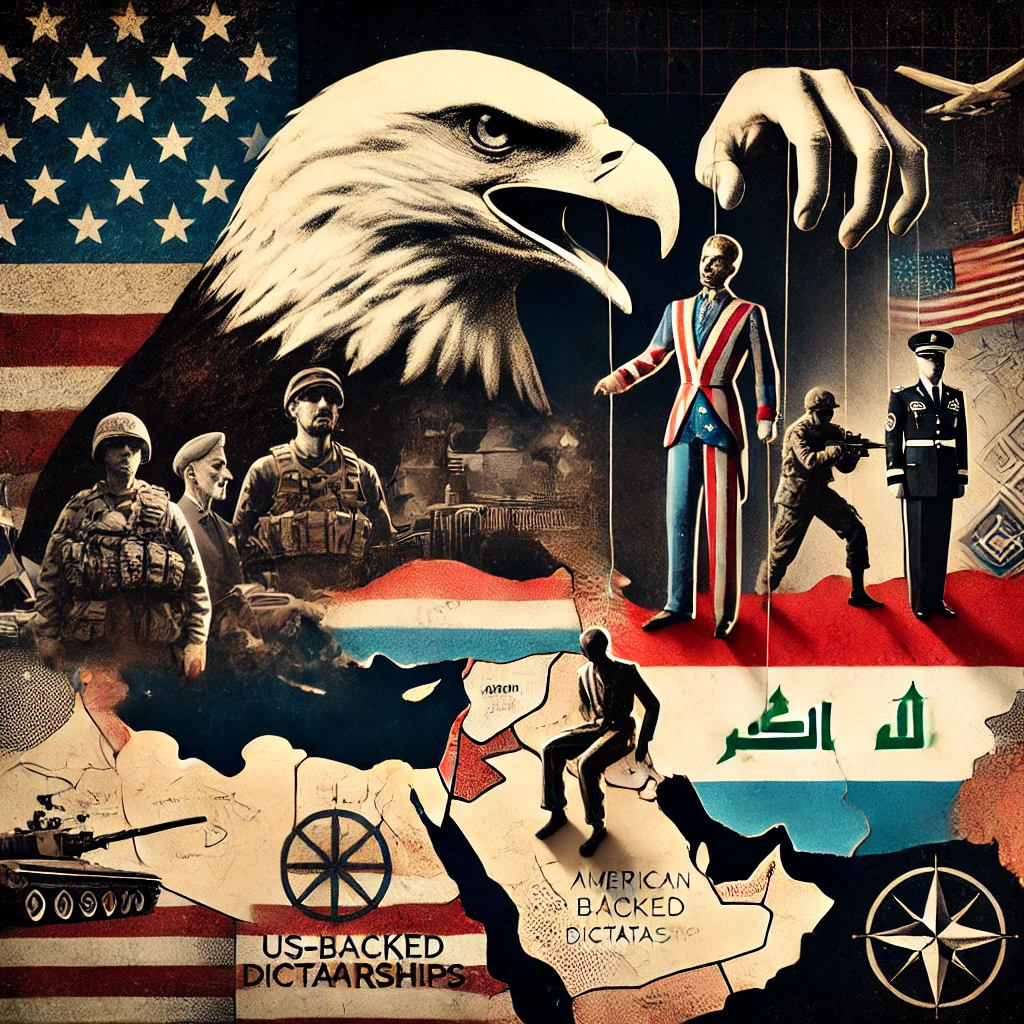
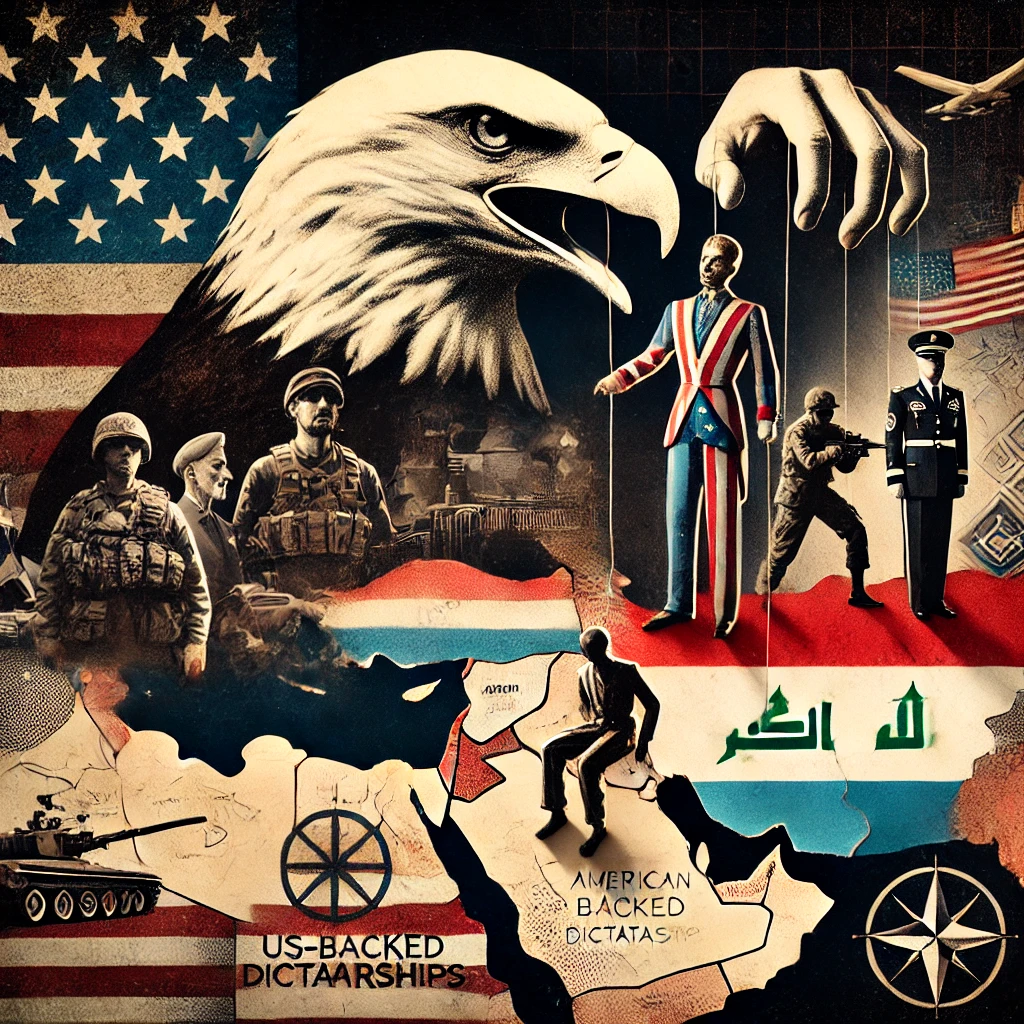
The Iranian Revolution stripped away American and British pretensions with brutal clarity. In 1953, they had extinguished Iran’s fragile democracy—the Persian Gulf’s sole democratic experiment—after Mohammad Mossadegh’s oil nationalization threatened their commercial interests. Operation Ajax, the CIA-MI6 conspiracy, exchanged democratic governance for petroleum access, enthroning the Shah as dictator to ensure Iranian compliance. The Iranian Revolution’s aftermath deepened this hypocrisy: while condemning Khomeini’s theocracy as anti-democratic, Western powers simultaneously funneled weapons and billions to Gulf monarchies like Saudi Arabia and Kuwait—absolute rulers conducting no elections whatsoever, yet valued for petroleum loyalty. This double standard proved impossible to ignore; declassified records show U.S. diplomats praising Saudi “stability” even as the Iranian Revolution consumed Iran. It crystallized Iran’s anti-Western orientation, most dramatically in the 1979 hostage crisis when the Shah’s American refuge enraged Tehran. For India and the Global South, the Iranian Revolution offered bitter revelation: Western “democracy” bends toward wealth, not values—a lesson echoing through Iraq’s 2003 invasion and beyond, where oil-rich autocrats thrive under Washington’s protection while Iran’s democratic aspirations were crushed.
The Iranian Revolution ruthlessly exposed U.S. and British duplicity. In 1953, they snuffed out Iran’s nascent democracy—the Gulf’s only such venture—when Prime Minister Mohammad Mossadegh nationalized the Anglo-Iranian Oil Company, daring to reclaim control from Western profiteers. Operation Ajax, orchestrated jointly by CIA and MI6, traded Iran’s electoral system for petroleum contracts, propping up Shah Mohammad Reza Pahlavi as a pliant strongman to secure their resource pipeline. For decades they nurtured this dictatorship, indifferent to repression, provided oil flowed smoothly. Following the Iranian Revolution of 1979, their hypocrisy assumed new dimensions: while denouncing Khomeini’s theocracy as democratically illegitimate, they showered Gulf monarchies like Saudi Arabia and Kuwait—absolute regimes without electoral pretense—with armaments, financial support, and unwavering backing, all for petroleum allegiance. Declassified U.S. cables reveal diplomats praising Saudi “stability” as Iranian streets burned, selective morality laid bare.
The 1979 Hostage Crisis: The Iranian Revolution’s Financial Dimension
This duplicity sparked Iran’s fierce anti-Western turn, most vividly manifested in the 1979 hostage crisis. When the Shah fled to the United States, Tehran demanded his extradition—and access to billions in Iranian assets frozen in Western banks, funds accumulated from petroleum sales but withheld as leverage. With diplomacy stalled, Iran seized 52 American embassy personnel, holding them for 444 days to force release of their own money—a desperate gambit born of betrayal. Western powers condemned this action, yet their refusal to relinquish Iran’s wealth ignited the crisis, a financial stranglehold echoing the 1953 theft of sovereignty. The hostage crisis cemented Iran’s defiance following the Iranian Revolution, rejecting a West that preached freedom while hoarding Iranian resources.
Contemporary Parallels: The Iranian Revolution’s Lessons Repeated
The Iranian Revolution exposed U.S. and Western duplicity with ruthless precision, hypocrisy reverberating today in their treatment of Russian wealth. Since Russia’s 2022 Ukraine invasion, the United States and Europe have frozen over $300 billion in Russian state reserves—central bank assets designated for economic stability—alongside seizing oligarchs’ yachts, London properties, and Swiss accounts from figures like Roman Abramovich and Alisher Usmanov. These funds, totaling billions more, have been redirected to arm Ukraine or held as pressure mechanisms against Moscow, a financial siege echoing Western strategies revealed by the Iranian Revolution. This isn’t novel tactics; it’s refined control, where resources become weapons when strategic tides shift. Russia, stripped of its own wealth, faces modern parallels to Iran’s post-Iranian Revolution plight, revealing consistent Western strategy: punish defiance by clutching assets.
The Iranian Revolution’s Cascading Global Consequences
The profound duplicity unveiled by the Iranian Revolution established conditions for subsequent geopolitical conflicts and interventions, continuing to shape Middle Eastern power dynamics and beyond.
The Iranian Revolution transcended petroleum politics—it exposed imperial overreach’s human costs and unleashed consequences revealing Western recklessness in global power manipulation. U.S. and British roles in the Iranian Revolution extended beyond the 1953 Mossadegh coup. Their arming of the Shah with military hardware to suppress nationalists is well documented. Declassified cables later revealed that when 1970s dissent brewed, they urged harsher crackdowns. Even as the Shah fled in January 1979, precipitating the Iranian Revolution’s climax, the United States vacillated between supporting him or backing alternatives, leaving Iran to burn. Western double standards—preaching democracy while propping dictators—galvanized the Iranian Revolution’s leaders, establishing precedent for broader regional turmoil.
Beyond the Iranian Revolution, the United States and Britain supported another dictator: Iraq’s Saddam Hussein. During the 1980s, fearing the Iranian Revolution’s fervor spreading regionally, they armed Hussein with chemical weapons, intelligence, and billions in loans throughout the Iran-Iraq War (1980-1988), ignoring his use of chemical weapons against Kurds and Iranians to secure their regional position. This wasn’t altruism—Hussein served as bulwark against the Iranian Revolution’s influence, his oil-rich Iraq a strategic asset. Yet when his ambitions exceeded their script, invading Kuwait in 1990, the West pivoted. The 1991 Gulf War, sparked by miscalculations tied to post-Iranian Revolution dynamics, saw U.S.-led forces curb his reach—not for democracy, but protecting Gulf petroleum allies like Saudi Arabia, whose monarchies they’d long coddled. A decade later, Hussein’s resistance intensified as he accumulated oil wealth and defied international sanctions. With Afghan military experience still fresh, the United States launched Iraq’s 2003 invasion, framed as democracy-building. However, declassified documents later revealed actual motivations centered on petroleum and regional dominance.
This pattern—elevating tyrants, then toppling them—traces directly to the Iranian Revolution’s genesis in the 1953 coup. This meddling, aimed at securing resources and strategic advantages, manifests from Saddam Hussein’s rise and Iraq’s subsequent devastation to Muammar Gaddafi’s chaotic overthrow in Libya and relentless destabilization attempts against Fidel Castro’s Cuba. In each instance, Western powers preached democratic ideals while pursuing policies fundamentally undermining these principles.
Does this pattern extend to contemporary shadow-boxing in Europe, this time against a stronger adversary, Russia? Only time will reveal the answer.
Contemporary Geopolitics: The Iranian Revolution’s Ongoing Relevance
Understanding this article’s contemporary significance requires recognizing how the Iranian Revolution continues shaping modern geopolitics, particularly in strained U.S.-Iran relations. Decades after the Iranian Revolution, both nations still navigate a complex web of tension and mistrust. The U.S. withdrawal from the Joint Comprehensive Plan of Action (JCPOA) in 2018, commonly called the Iran nuclear deal, marked significant diplomatic setback, reigniting nuclear proliferation fears and economic sanctions harking back to immediate post-Iranian Revolution years.
Today, as Iran advances its nuclear program, the international community remains vigilant, monitoring potential regional power shifts. Moreover, Iran’s role supporting proxy conflicts and militant groups across the Middle East, from Syria to Yemen, continues as critical U.S. foreign policy issue, reflecting direct lineage from the Iranian Revolution’s ideology of exporting Islamic revolution.
Furthermore, recent Iranian engagements with major powers like Russia and China have introduced new variables into strategic calculations, suggesting possible realignment toward multipolarity. These relationships, underscored by mutual interests in counterbalancing American influence, impact not only regional security but reshape global trade routes, particularly as China’s Belt and Road Initiative intersects with Iranian interests.
This contemporary landscape, fraught with old rivalries and emerging alliances, underscores the Iranian Revolution’s enduring legacy in shaping global affairs. It reminds us that 1979’s echoes still resonate, influencing how nations navigate modern diplomacy and conflict’s complex terrain. Understanding these tensions’ historical roots provides insights into their origins and potential pathways toward resolution and peace in a region marked by decades of volatility stemming partly from the Iranian Revolution’s aftermath.
Why the Iranian Revolution Remains Historically Significant
As we reflect on cascading effects from the Iranian Revolution, from regional conflicts to global energy crises, the events of 1979 clearly still resonate, influencing contemporary geopolitics and shaping international relations understanding today.
The Iranian Revolution’s conclusion on February 11, 1979, wasn’t merely a date—it marked a pivotal moment. The Iranian Revolution demonstrated how U.S. and British oil-driven excesses could topple allies and reshape global order. Hoveyda’s fate, the Shah’s collapse, and Iran’s transformation into an anti-Western power trace directly to that greed and negligence. For India, the Iranian Revolution meant navigating new energy landscapes, where former friends became uncertain partners.
Today, as petroleum politics continues roiling the Middle East, the Iranian Revolution’s echoes linger. It reminds us that when foreign powers meddle for profit, they don’t merely extract resources—they ignite fires burning for generations. Iran’s story following the Iranian Revolution, and India’s evolving position within it, proves that history isn’t just written by victors—it’s shaped by those who rise against overwhelming odds.
Feature Image: Click here to view the image.
Glossary of Terms
- Anglo-Iranian Oil Company (AIOC): A British oil company that operated in Iran from 1908 to 1954, later renamed British Petroleum (BP).
- Ayatollah: A high-ranking Shia cleric in Iran, often holding significant political influence.
- Ballistic: Relating to the trajectory of projectiles, such as missiles or rockets.
- CIA-MI6 plot: A joint operation between the U.S. Central Intelligence Agency (CIA) and the British Secret Intelligence Service (MI6) to overthrow Iran’s democratically elected government in 1953.
- Declassified documents: Previously secret government records made publicly available, often shedding light on historical events.
- Democratically elected government: A government chosen by the people through free and fair elections.
- Gulf monarchies: Absolute monarchies in the Gulf region, including Saudi Arabia, Kuwait, and others.
- Imperial overreach: When a powerful nation or empire extends its influence and control beyond its borders, often leading to instability and conflict.
- Iran-Iraq War (1980-1988): A devastating conflict between Iran and Iraq, sparked by territorial disputes and fueled by regional and global politics.
- Khomeini: Ayatollah Ruhollah Khomeini, the leader of the Iranian Revolution and the founder of the Islamic Republic of Iran.
- MI6: The British Secret Intelligence Service, responsible for gathering intelligence and conducting covert operations.
- Mohammad Mossadegh: The democratically elected Prime Minister of Iran from 1951 to 1953, who nationalized the Anglo-Iranian Oil Company, leading to the CIA-MI6 coup.
- Nationalization: The process of taking control of a private industry or asset, often by a government.
- Non-aligned nation: A country that does not align itself with any major power bloc, often maintaining diplomatic relations with multiple nations.
- Oil politics: The complex web of interests, alliances, and conflicts surrounding the global oil industry.
- Operation Ajax: The CIA-MI6 operation to overthrow Mohammad Mossadegh’s government in Iran in 1953.
- SAVAK: The secret police force of the Shah’s regime in Iran, notorious for its brutal repression and human rights abuses.
- Shah: The monarch of Iran, specifically referring to Mohammad Reza Pahlavi, who ruled from 1941 to 1979.
- Theocracy: A system of government where power is held by religious leaders or institutions.
- White Revolution: A modernization program implemented by the Shah’s regime in Iran, aimed at transforming the country’s economy, education, and healthcare systems.
#IranianRevolution #GlobalOilPolitics #USForeignPolicy #MiddleEastHistory #GeopoliticalImpact
Follow us:
- English YouTube: https://www.youtube.com/@Hinduofficialstation
- Hindi YouTube: https://www.youtube.com/@HinduinfopediaIn
- X: https://x.com/HinduInfopedia
- Instagram: https://www.instagram.com/hinduinfopedia/
- Facebook: https://www.facebook.com/Hinduinfopediaofficial
- Threads: https://www.threads.com/@hinduinfopedia
[…] […]