

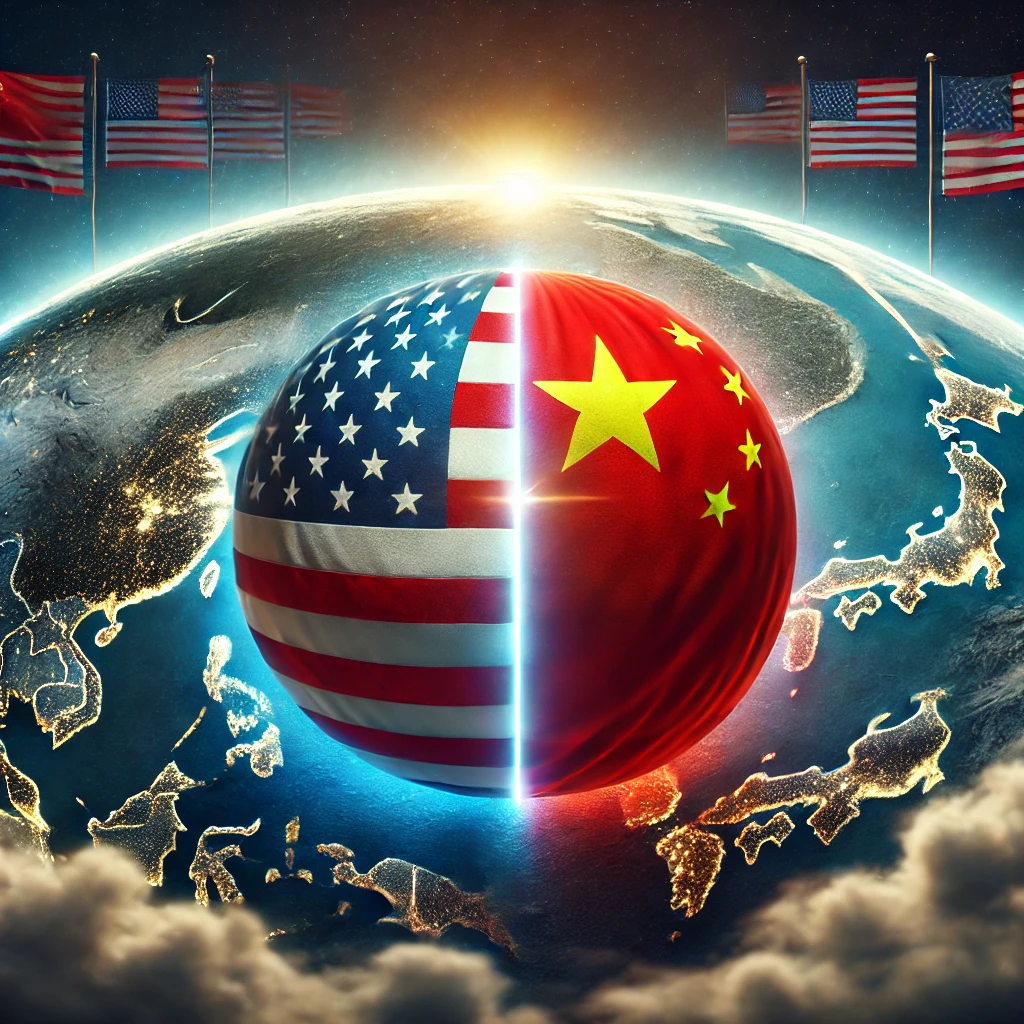
U.S.-China Relations: How 1979 Diplomatic Recognition Reshaped Global Power Dynamics
Understanding the Transformation of U.S.-China Relations
On January 1, 1979, a pivotal shift occurred in international politics when the United States officially recognized the People’s Republic of China, fundamentally transforming U.S.-China relations and setting the stage for a new geopolitical era. This diplomatic recognition not only revolutionized U.S. and China relations but also generated profound implications for global diplomacy, international security, and worldwide power dynamics. Prior to this recognition, the landscape of U.S.-China relations was characterized by decades of estrangement and conflict, deeply entangled with the complex dynamics of Cold War tensions. This analysis explores the historical backdrop of U.S. and China, the dramatic changes that ensued post-1979, and the cascading effects on regions such as Tibet, the South China Sea, and broader East Asian security. By examining these elements of U.S. and China, we gain critical insights into the long-term effects of these diplomatic decisions and consider their relevance to current geopolitical challenges.
The Prelude: Early Tensions in U.S. and China Relations
Before 1979, U.S.-China relations were characterized by significant tension and strategic maneuvering, deeply influenced by broader Cold War dynamics between the United States and the Soviet Union. Initially, the U.S. refused to recognize the People’s Republic of China (PRC) after its 1949 establishment, instead maintaining diplomatic ties with the Republic of China (Taiwan) as the legitimate government of all China, fundamentally shaping early U.S. and China. During this period, the Korean War (1950-1953) and the Vietnam War (1955-1975) further strained U.S. and China, as China supported North Korea and North Vietnam, respectively, directly opposing U.S.-backed forces.
The geopolitical landscape of that era was dominated by the bipolar contest for global influence between the United States and the Soviet Union, critically affecting U.S. and China. China, after splitting with the Soviet Union post-1960s due to ideological and border disputes, began reevaluating its position in this global standoff, leading to a strategic pivot that gradually opened doors to rapprochement in U.S.-China relations. This period also witnessed China grappling with internal upheavals, most notably the Cultural Revolution (1966-1976), which further isolated it internationally and complicated U.S.-China relations.
The 1979 Shift: U.S.-China Relations Fundamentally Redefined
The events leading to the establishment of formal diplomatic ties on January 1, 1979, revolutionizing U.S.-China relations, began with U.S. President Richard Nixon’s historic 1972 visit to China. This visit marked a dramatic thaw in U.S. and China relations and was primarily driven by mutual strategic interests: the U.S. sought to leverage China as a counterbalance to Soviet influence, while China looked to break its international isolation and modernize its economy through improved U.S. and China. President Nixon reflected on this groundbreaking journey, stating, “This was the week that changed the world,” as he sought to pave the way for a new era of U.S. and China. This shift has indeed transformed global dynamics, setting the stage for China’s assertive policies in the South China Sea and its controversial use of debt diplomacy, which critics argue serves as a strategic tool to expand its military and economic influence worldwide through leveraging U.S.-China relations.
Following several years of diplomatic engagements and negotiations in U.S. and China, led by figures such as Henry Kissinger and subsequently under President Jimmy Carter, the two nations officially established diplomatic relations. Deng Xiaoping, reflecting on this new beginning in U.S. and China, remarked, “China must draw on the achievements of all civilizations, capitalist and socialist.” This significant shift in U.S.-China relations involved the U.S. recognizing the People’s Republic of China as the sole legal government of China, thus severing its formal diplomatic ties with Taiwan, although the U.S. continued maintaining a robust unofficial relationship with Taiwan through the Taiwan Relations Act.
The immediate consequences of this diplomatic recognition were profound for U.S. and China. For China, it marked an end to decades of international isolation and was a critical step in its broader reform and opening-up policies initiated by Deng Xiaoping. For the United States, it realigned Cold War dynamics within U.S. and China, providing strategic advantage by aligning with China against the Soviet Union. Today, the legacy of these U.S. and China decisions is evident as the two powers navigate complex trade negotiations and technology disputes that have far-reaching implications on global economic stability and security.
Taiwan’s Diplomatic Realignment Following U.S.-China Relations Shift
The U.S.’s decision to recognize the People’s Republic of China over the Republic of China (Taiwan) had immediate and lasting impacts on Taiwan’s international position and security strategy, fundamentally altering the dynamics of U.S. and China relations. By switching recognition from Taipei to Beijing in U.S. and China relations, the U.S. effectively isolated Taiwan diplomatically but sought to mitigate this through the Taiwan Relations Act. This Act allowed for continued commercial, cultural, and other unofficial contacts with Taiwan and has provided the framework for continued substantial U.S. arms sales to the island, ensuring Taiwan’s defense capability against potential aggression despite the formal shift in U.S. and China relations.
Post-1979, Taiwan was compelled to redefine its diplomatic and security strategies in response to transformed U.S. and China relations, focusing more on strengthening its own economic capabilities and informal international relationships. Taiwan’s efforts to foster these unofficial ties have been crucial in maintaining its international presence and economic resilience despite marginalization in formal U.S.-China relations. Moreover, the U.S.’s nuanced stance within U.S.-China relations—formally recognizing Beijing while simultaneously supporting Taipei militarily and economically—has contributed to a complex status quo that continues to face challenges, as evidenced by current Chinese aggression. This dynamic has shaped East Asian security significantly within the framework of U.S.-China relations.
Impact on Tibet: Repercussions of U.S. and China relations Normalization
The U.S. recognition of China in 1979 fundamentally altering U.S. and China relations had significant implications for Tibet. Prior to this diplomatic shift, Tibet had been a central issue in U.S. and China relations, with the U.S. showing varying degrees of support for the Tibetan cause. However, the normalization of U.S. and China relations effectively deprioritized the Tibetan issue in U.S. foreign policy. This realignment in U.S.-China relations left the Tibetan government-in-exile, led by the Dalai Lama, with diminished international support at a critical time.
Post-1979, as U.S.-China relations normalized, China intensified efforts to consolidate control over Tibet, implementing policies aimed at the sinicization of the region and suppression of Tibetan cultural and religious identity. These policies included strict control over religious practices, migration of Han Chinese into Tibetan areas to alter demographic makeup, and economic measures intended to integrate Tibet firmly into the broader Chinese economy—all facilitated by the transformed U.S. and China relations.
The international response to China’s policies in Tibet has largely mirrored the diplomatic tones set by the United States through U.S.-China relations. Being landlocked and geographically wedged between two Himalayan giants, the Buddhist state has found its voice largely muffled on the global stage, acknowledged often only in record, partly due to the prioritization of U.S. and China relations. While widespread criticisms have emanated from human rights organizations and some Western governments, comprehensive international action has remained limited. Periodic resolutions and expressions of concern from bodies such as the United Nations have paradoxically only emboldened China’s resolve to suppress dissenting voices within Tibet. This is evident from moves like the elimination of the Dalai Lama’s appointee for the next Dalai Lama and plans to appoint his successor directly by the Chinese government. The global community’s response has often been restrained by geopolitical considerations shaped by U.S.-China relations, significantly influenced by China’s growing economic influence and the comparatively minimal strategic value Tibet offers to Western powers, unlike resource-rich regions such as the Middle East.
South China Sea Dynamics: Strategic Shifts Following U.S.-China Relations Transformation
Legal and Diplomatic Challenges in the Context of U.S. and China relations
The South China Sea has become a focal point of international legal and diplomatic disputes within the framework of U.S.-China relations, primarily due to China’s expansive territorial claims marked by the “nine-dash line.” These claims overlap with the maritime zones of several Southeast Asian nations, leading to increased tensions and frequent diplomatic confrontations that test U.S.-China relations. The disputes are not just regional but also challenge the principles of the United Nations Convention on the Law of the Sea (UNCLOS), which governs maritime sovereignty and rights of free navigation, becoming a critical issue in U.S. and China relations.
In response, the affected nations, along with broader international entities, have sought to address these disputes through diplomatic channels and international courts, often looking to the United States for support within U.S. and China relations. For instance, the Philippines’ successful case at the Permanent Court of Arbitration in 2016, which ruled against China’s maritime claims, highlights the role of legal mechanisms in managing these disputes. However, China’s refusal to recognize the ruling underscores the limitations of legal resolutions when not accompanied by diplomatic pressures and international consensus, complicating U.S. and China relations.
This focus on legal and diplomatic efforts reflects a broader strategy to manage the South China Sea’s complex dynamics within U.S.-China relations without escalating into open conflict, emphasizing negotiation, legal arbitration, and international diplomacy.
Security Concerns in East Asia: Military Strategies Within U.S. and China Relations
The security landscape in East Asia is significantly shaped by strategic military maneuvers and alignments resulting from U.S.-China relations and their influence on the region. Countries like Japan, South Korea, and ASEAN nations are recalibrating their military strategies in response to China’s growing assertiveness within the context of U.S. and China relations, exemplified by its actions in the South China Sea and beyond.
Japan and South Korea, as key U.S. allies within the U.S. and China relations framework, have strengthened their military capabilities and cooperation with the United States, focusing on enhancing missile defense systems, conducting joint military exercises, and increasing intelligence sharing to counter potential threats emerging from tensions in U.S. and China relations. Similarly, ASEAN countries are increasingly investing in their naval capabilities and seeking stronger security partnerships with other regional powers, including India and Australia, to bolster their defensive postures amid evolving U.S. and China relations.
The establishment of diplomatic ties between the U.S. and China in 1979 had a profound impact on the security landscape of East Asia, influencing strategic and diplomatic maneuvers. Former U.S. Secretary of State Henry Kissinger observed about U.S.-China relations, “The relationship between China and the United States has been the central element in peace and stability in the region.” Reality contrasts starkly with the current situation, 44 years after the transformation of U.S. and China relations. Today, the regional dynamics are quite different, with North Korea and China asserting themselves more aggressively than when U.S. and China relations were normalized.
This assertiveness has led neighboring countries to reassess their security strategies and diplomatic alignments in response to a stronger and more assertive China within the U.S. and China relations framework. Japan and South Korea find themselves in a complex balancing act within U.S. and China relations. They must navigate their strong economic ties with China against their strategic military alliances with the United States. This situation requires intricate diplomatic engagements and a bolstering of regional defense capabilities, all while striving to prevent further escalation of tensions emerging from U.S. and China relations.
The economic engagement between ASEAN countries and China, while beneficial in terms of growth and development, has increasingly shown a pattern where the benefits are disproportionately skewed towards China within the broader context of U.S.-China relations. This dynamic has led to growing trade deficits and economic vulnerabilities within ASEAN nations, particularly during periods of economic downturn in China, complicating regional responses to U.S. and China relations.
For instance, despite significant trade volumes between ASEAN and China, which have indeed fueled regional growth, there is a clear impact on the economic sovereignty of ASEAN nations navigating the complexities of U.S. and China relations. The trade deficits experienced by ASEAN countries are substantial and growing, with a notable imbalance in imports from China compared to exports to China, reaching $140 billion in 2022, which is nearly 4% of ASEAN’s overall GDP. This deficit could potentially weaken domestic industries and increase vulnerability to economic pressures from China, affecting how these nations position themselves within U.S.-China relations.
Moreover, ASEAN’s economic reliance on China within the framework of U.S. and China relations makes it susceptible to economic coercion, a concern highlighted in various discussions and reports. For example, the use of economic measures for political gains, such as the restriction of imports from countries like the Philippines and Vietnam during territorial disputes, underscores the risks of economic dependence on a dominant partner like China amid evolving U.S. and China relations.
Perspectives from Other Global Players on U.S. and China Relations
The evolution of U.S.-China relations has elicited varied responses from other global powers and regions, particularly the European Union (EU), Russia, and countries in the Global South. These perspectives highlight the complex interplay of global strategy, economic dependency, and regional stability shaped by U.S. and China relations.
European Union Response to U.S. and China relations
The European Union’s stance towards China within the context of U.S. and China relations is a complex interplay of economic interests and human rights concerns, reflecting a strategy often criticized as more rhetorical than substantive. Historically, the EU’s responses to significant human rights violations by China, such as the Tiananmen Square massacre in 1989 and the ongoing situation with the Uighur Muslim population in Xinjiang, have been cautious within the framework of observing U.S. and China relations. This cautious approach often stems from the EU’s economic reliance on China, particularly for cheap goods, which complicates its ability to take more decisive actions regarding U.S. and China relations.
For instance, while the EU has issued statements and resolutions condemning China’s actions in Xinjiang and has called for respect for human rights, these measures have often not escalated to more severe economic or political sanctions that might affect U.S.-China relations. This hesitancy is partly due to the economic ties between the EU and China, where the EU benefits from access to a vast market and cheaper production costs, even as reports suggest that some of these productions may occur under highly questionable human rights conditions.
This balancing act within the context of U.S.-China relations—weighing economic benefits against human rights advocacy—highlights the challenges and criticisms faced by the EU in crafting a coherent foreign policy that can effectively address both economic interests and uphold international human rights standards. The EU’s approach underscores a broader geopolitical dilemma where economic interdependence with China makes decisive actions more complex and fraught with economic risks, particularly as the EU observes developments in U.S. and China relations.
Russia’s Position on U.S. and China relations
The geopolitical landscape has indeed become significantly more complex with the ongoing conflict between Ukraine and Russia, which started in 2022, affecting the dynamics of U.S. and China relations. The U.S.’s support for Ukraine and subsequent economic sanctions against Russia have driven Russia and China closer together, creating a more formidable Sino-Russian alliance that poses strategic challenges within the framework of U.S. and China relations, particularly in the regions surrounding Japan and the South China Sea.
This evolving alliance has significant implications for global security and U.S. and China relations, especially for nations like Japan and the Philippines as well as Vietnam, which find themselves geographically and strategically on the front lines of this great power rivalry shaped by U.S. and China relations. The increased cooperation between Russia and China extends into military realms, potentially altering the balance of power in the Sea of Japan and the South China Sea, directly affecting the strategic calculations within U.S. and China relations. This situation is exacerbated by North Korea’s military engagements and apparent support from Russia, adding another layer of complexity to the security dynamics in East Asia and U.S. and China relations.
Additionally, the military cooperation between Iran and Russia, although more relevant in the context of Middle Eastern geopolitics, indirectly affects the broader global balance by strengthening Russia’s position in its external engagements, including its alliance with China, which has implications for U.S. and China relations. This cooperation may not directly impact the Sea of Japan or the South China Sea, but it contributes to the overall strategic capabilities of Russia, thereby influencing its geopolitical posture in its alliance with China and affecting U.S. and China relations.
Overall, these developments underscore a shifting global order where traditional alliances are being tested and new alliances are forming in response to U.S.-China relations. The growing closeness of Russia and China, catalyzed by geopolitical pressures from the West, presents new challenges and necessitates recalibrated responses from neighboring countries and global powers alike within the context of evolving U.S.-China relations.
The Global South’s Response to U.S. and China relations
Countries in the Global South face a different set of challenges and opportunities with the rise of China within the framework of U.S.-China relations, often finding themselves caught between economic benefits and geopolitical pressures. Many of these nations have become central to China’s Belt and Road Initiative (BRI), which, while providing infrastructure financing and development, also comes with significant debt dependencies that complicate their positions regarding U.S. and China relations. This economic leverage has raised concerns about sovereignty as China often uses these debts to press for the establishment of military bases or to gain strategic assets, a practice seen as a form of economic blackmail affecting how these nations navigate U.S. and China relations.
In Africa and parts of Southeast Asia, Chinese investments in ports and military-friendly facilities have raised alarms about potential military expansions under the guise of economic aid within the context of U.S. and China relations. This strategy not only enhances China’s global influence but also poses a dilemma for these countries, which benefit economically in the short term but may face long-term strategic vulnerabilities shaped by U.S. and China relations. For instance, the case of the China-funded Gwadar Airport in Pakistan exemplifies these concerns. Despite a substantial investment of $240 million, the airport remains underutilized, with no passenger flights or planes, highlighting issues of practical utility versus geopolitical strategy within the broader dynamics of U.S.-China relations. This project is part of the broader China-Pakistan Economic Corridor (CPEC), a flagship BRI project, which while promising economic revival, raises questions about the strategic military and economic leverage it provides to China in the context of U.S. and China relations.
These strategies not only enhance China’s global influence within U.S. and China relations but also create dilemmas for host countries, which benefit economically in the short term but may face long-term strategic vulnerabilities.
Reflecting on the Ripple Effects of U.S. and China Relations
The long-term effects of the U.S. and China relations established in 1979 are profound and multi-faceted. While this pivotal moment in international diplomacy reshaped bilateral relationships between these two great powers, U.S. and China relations also had sweeping repercussions for global geopolitics. This strategic realignment in U.S. and China relations influenced everything from regional security architectures in East Asia to global economic policies and international diplomatic norms. However, the integration of China into the larger politico-economic world through normalized U.S. and China relations, despite limited economic benefits to the United States and apparent support during the Cold War, has presented significant challenges globally. This perspective underscores the complexity and mixed outcomes of this diplomatic initiative in U.S. and China relations, highlighting both its historical significance and contentious outcomes.
Today, the world faces a host of geopolitical challenges stemming from U.S. and China relations, from the escalation of Chinese authority assertion in the South China Sea to complex trade negotiations and concerns about human rights. The U.S. and China relations continue to be central in addressing these challenges, demonstrating the enduring impact of the decisions made over four decades ago regarding U.S. and China relations. The role of international diplomacy in mitigating conflict has never been more critical, as it offers the means to manage, if not resolve, the competing interests and ideological differences that characterize contemporary U.S.-China relations on the world stage.
Call to Action: Engaging with U.S. and China Relations History
We encourage readers to reflect on how past diplomatic decisions regarding U.S. and China relations, like those made in 1979, continue to shape our current international relations. Think about the alternative strategies that could have been pursued in U.S. and China relations and the different geopolitical landscapes they might have created. What lessons can we draw from these historical events in U.S.-China relations that might apply to today’s complex international issues?
We invite you to share your thoughts and comments below. How do you think different diplomatic strategies might have altered the course of U.S. and China relations and their global impact? Let’s discuss and deepen our understanding of the intricate web of international diplomacy shaped by U.S. and China relations.
Feature Image: Click here to view the image.
Click here to visit the related page on Medium.com
Glossary of Terms:
- Belt and Road Initiative (BRI): A global development strategy adopted by the Chinese government involving infrastructure development and investments in countries along the route of the ancient Silk Road.
- China-Pakistan Economic Corridor (CPEC): A flagship project of the Belt and Road Initiative that aims to connect China’s Xinjiang region with Pakistan’s Gwadar Port through a network of roads, railways, and energy pipelines.
- Cold War: A state of geopolitical tension between the United States and the Soviet Union, and their respective allies, from the end of World War II until the dissolution of the Soviet Union in 1991.
- People’s Republic of China (PRC): The official name of China since October 1, 1949, when the Communist Party of China took control.
- Republic of China (Taiwan): The official name of Taiwan, which was established in 1912 and lost the Chinese Civil War to the Communist Party of China in 1949.
- ASEAN: The Association of Southeast Asian Nations, a regional organization comprising ten Southeast Asian states.
- East Asian security dynamics: The complex set of relationships and interactions between countries in East Asia, including China, Japan, South Korea, and the United States.
- Nine-dash line: A demarcation line used by China to claim a large portion of the South China Sea as its own territory.
- South China Sea disputes: A set of territorial disputes between China and several Southeast Asian countries, including the Philippines, Vietnam, and Malaysia, over islands and maritime territories in the South China Sea.
- UNCLOS: The United Nations Convention on the Law of the Sea, an international treaty that establishes the legal framework for the world’s oceans.
- Debt diplomacy: A strategy used by China to gain strategic leverage over other countries by providing them with loans and investments, which can lead to debt dependence and compromise their sovereignty.
- Economic coercion: The use of economic measures, such as trade restrictions or sanctions, to pressure other countries into conforming to one’s interests.
- Trade deficits: A situation where a country imports more goods and services than it exports, resulting in a negative balance of trade.
- Diplomatic recognition: The formal acknowledgment by one state of the sovereignty and legitimacy of another state.
- International diplomacy: The practice of conducting negotiations and relations between nations to achieve peaceful resolution of conflicts and promotion of national interests.
- Taiwan Relations Act: A U.S. law passed in 1979 that established the framework for U.S.-Taiwan relations after the United States switched diplomatic recognition from Taiwan to the People’s Republic of China.
#USChinaRelations #GlobalDiplomacy #InternationalPolitics #TradeWar #SouthChinaSea
References:
- https://asiatimes.com/2023/04/dalai-lama-tweaks-china-with-mongolia-spiritual-leader-pick/#
- https://www.foreignaffairs.com/china/battle-soul-dalai-lama-tibet
- https://infra.economictimes.indiatimes.com/news/aviation/no-passengers-no-planes-china-funded-240-mn-gwadar-airport-sits-idle/118518104?utm_source=latest_news&utm_medium=homepage
Follow us:
- English YouTube: https://www.youtube.com/@Hinduofficialstation
- Hindi YouTube: https://www.youtube.com/@HinduinfopediaIn
- X: https://x.com/HinduInfopedia
- Instagram: https://www.instagram.com/hinduinfopedia/
- Facebook: https://www.facebook.com/Hinduinfopediaofficial
- Threads: https://www.threads.com/@hinduinfopedia